Electric and Hybrid Boats Put New Focus on Finance Planning
Battery technology may change how buyers assess value, running costs and loan suitability
2
The information on this website is general in nature and does not take into account your objectives, financial situation, or needs. Consider seeking personal advice from a licensed adviser before acting on any information.
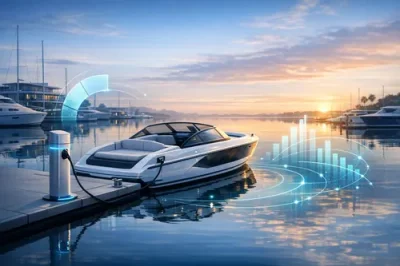
Recent Australian marine market coverage continues to show rising interest in electric propulsion, hybrid drives and battery-assisted vessels.
While petrol and diesel models still dominate many family, fishing and cruising categories, the technology conversation is clearly shifting.
For boat buyers, that does not mean rushing into the newest system on display.
It means asking better finance questions before deciding whether an electric or hybrid boat suits the way they actually use the water.
The first issue is total cost, not just purchase price. Electric and hybrid craft may appeal because of quieter operation, lower emissions and potentially reduced fuel use, but the upfront price can be higher than a comparable conventional model. Buyers also need to consider charging access, battery maintenance, warranty length, software updates, specialist servicing and the likely resale market. Those factors can influence how much to borrow, how long to finance the vessel and whether the repayments remain comfortable if other ownership costs change.
This is where careful loan planning becomes more valuable. A buyer comparing an electric day boat with a petrol-powered runabout should not only look at the advertised rate. They should model repayments across different loan terms, deposit levels and interest rate assumptions. A longer term may reduce monthly pressure, but it can also increase the total interest paid. A larger deposit may improve affordability, but it can reduce the savings buffer needed for storage, insurance, safety gear and unexpected repairs.
Lender assessment may also vary as newer propulsion systems become more common. Some lenders may be comfortable with mainstream marine brands and clear valuation data, while less familiar models could require more detail about the boat, battery system, supplier support and intended use. Used electric or hybrid boats may attract additional questions around battery health and remaining warranty, much like older petrol craft are assessed for condition, service history and market value.
For households considering the switch, the practical approach is to compare the lifestyle benefit with the financial commitment. Quiet operation and lower fuel use can be attractive, particularly for inland waterways, short coastal trips or regular marina-based use. However, buyers should still compare finance options, check fees and confirm whether the loan structure matches the asset, the budget and the expected ownership period. As electric boating gains attention, the smartest buyers will treat innovation as one part of the decision, not a substitute for disciplined borrowing.
Please Note: We do not endorse any specific products or companies. Some content is sourced from third parties, including press releases, and may not be independently verified for accuracy or completeness.
The Reserve Bank’s latest decision to keep the cash rate steady gives Australian boat buyers a useful moment to pause, but it should not be mistaken for a guarantee that borrowing costs will stay simple or uniform. For households looking at a first trailer boat, a fishing upgrade, a personal watercraft or a larger family cruiser, the lending market remains highly dependent on borrower profile, boat type, deposit size, loan structure and lender appetite. - read more
Financial hardship support is back in the spotlight across Australia’s lending market, with regulators and consumer advocates paying closer attention to how banks and non-bank lenders respond when borrowers ask for help. For households and small business owners already dealing with higher living costs, tax obligations, insurance premiums and uneven cash flow, this is more than a compliance story. It is a practical reminder that loan stress should be addressed before it becomes a missed-payment pattern. - read more
The Reserve Bank of Australia’s latest retail payments update offers another useful snapshot of how households are managing everyday spending, card use and short-term credit. While payment data is not the same as loan approval data, it can still tell borrowers something important: the way money moves through a household each month can affect how comfortable a lender feels about future repayments. - read more
Fresh consumer warnings about online vehicle scams are a timely reminder for caravan buyers to slow down before transferring deposits, sharing identity documents or arranging settlement. Caravans, camper trailers and motorhomes are high-value assets, and that makes them attractive targets for fake listings, cloned advertisements and sellers who pressure buyers to act quickly. - read more
Applying for a car loan in Australia usually involves checking affordability, preparing documents, submitting an application, lender assessment, conditional approval, vehicle checks, contract signing and settlement. This guide explains the typical steps and what can affect the outcome. - read more
Welcome to a beginner's guide to saving for your first car! Buying a car for the first time is an exciting journey, filled with anticipation and, sometimes, a bit of anxiety. Rest assured, you are not alone on this path. Many Australians have taken these steps before you, and with the right strategies, you can turn this experience into a rewarding achievement. - read more
Business vehicle finance can affect cash flow, GST, deductions, depreciation, private use records and fringe benefits tax. This guide explains the general tax concepts Australian small business owners and sole traders should understand before choosing a business car loan or vehicle finance structure. - read more
Refinancing your car loan can be a game changer for your financial health. But what exactly does it mean? In simple terms, refinancing involves replacing your current car loan with a new one, usually to secure better interest rates or more favorable terms. - read more
Knowledgebase
Mortgagor: A person who offers to assign an asset as security (e.g. real estate) under a mortgage loan contract. The lender (mortgagee) holds the legal ownership of the security until the loan is repaid and the mortgage is discharged.




No comments yet. Be the first to share your thoughts.