

Car Loan Finance Online :: News
SHARE

Share this news item!

Renault Scenic E-Tech Gives Family EV Buyers Another Long-Range Option

A practical European SUV now enters the finance conversation for Australian households

Renault Scenic E-Tech Gives Family EV Buyers Another Long-Range Option?w=400

The information on this website is general in nature and does not take into account your objectives, financial situation, or needs. Consider seeking personal advice from a licensed adviser before acting on any information.

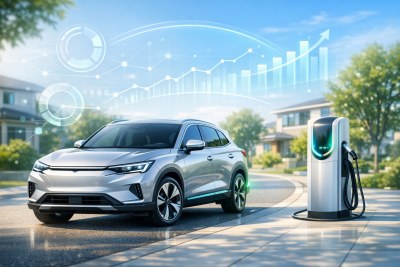
Renault’s Scenic E-Tech has joined Australia’s growing electric SUV field, giving family buyers another option in the increasingly busy middle of the EV market.
With pricing starting from $55,990 before on-road costs, the Scenic E-Tech is not pitched as a bargain-basement electric car, but it does bring a long-range battery, family-friendly packaging and a well-known European badge into a price band many households are already considering.

The key figure for budget-conscious EV shoppers is range. The Australian Scenic E-Tech uses an 87kWh battery and offers a claimed driving range of up to 625km on the WLTP cycle. That makes it appealing for buyers who like the idea of switching to electric but remain cautious about regional trips, school holiday travel or relying too heavily on public charging. For many households, longer range can also reduce the perceived need to stretch into more expensive premium EVs.

From a finance perspective, the Scenic E-Tech lands in an interesting spot. It sits above the cheapest Chinese electric SUVs, but below some premium European alternatives. That means buyers may be comparing it with models such as the Tesla Model Y, Kia EV5, Volkswagen ID.4 and other mid-size electric SUVs that are reshaping family car budgets. The smart move is to look beyond the sticker price and test the full ownership equation, including deposit, interest rate, loan term, insurance, charging costs and likely resale value.

For buyers using an electric car loan, the Renault also raises the importance of matching the loan structure to the way the vehicle will be used. A longer loan term may lower monthly payments but increase total interest paid, while a larger deposit can reduce both repayments and the amount borrowed. Households considering business use or salary packaging should also check whether tax settings or employer arrangements improve the overall outcome.

Before committing, buyers should compare electric car loans alongside competing vehicle offers rather than focusing only on drive-away pricing. It can also be useful to model likely repayments under different interest rates and loan terms, especially if cross-shopping several EVs with similar monthly costs.

The Scenic E-Tech is another sign that Australia’s EV market is maturing. Buyers are no longer choosing between a small number of familiar options. Instead, they are comparing design, range, charging performance, warranty coverage and finance affordability across a far broader showroom list. That competition should be good news for consumers, provided they slow down, check eligibility early and treat the finance decision as carefully as the vehicle choice itself.

Published:Wednesday, 16th Sep 2026
Author: Paige Estritori

Please Note: We do not endorse any specific products or companies. Some content is sourced from third parties, including press releases, and may not be independently verified for accuracy or completeness.

Share this news item:

Rate this article

0 Comments

No comments yet. Be the first to share your thoughts.

Finance News

What a Steady Rate Setting Means for Boat Buyers
17 Sep 2026: Paige Estritori
The Reserve Bank’s latest decision to keep the cash rate steady gives Australian boat buyers a useful moment to pause, but it should not be mistaken for a guarantee that borrowing costs will stay simple or uniform. For households looking at a first trailer boat, a fishing upgrade, a personal watercraft or a larger family cruiser, the lending market remains highly dependent on borrower profile, boat type, deposit size, loan structure and lender appetite. - read more
Why hardship support is now a bigger loan issue
17 Sep 2026: Paige Estritori
Financial hardship support is back in the spotlight across Australia’s lending market, with regulators and consumer advocates paying closer attention to how banks and non-bank lenders respond when borrowers ask for help. For households and small business owners already dealing with higher living costs, tax obligations, insurance premiums and uneven cash flow, this is more than a compliance story. It is a practical reminder that loan stress should be addressed before it becomes a missed-payment pattern. - read more
Card Spending Trends Keep Personal Loan Planning in Focus
17 Sep 2026: Paige Estritori
The Reserve Bank of Australia’s latest retail payments update offers another useful snapshot of how households are managing everyday spending, card use and short-term credit. While payment data is not the same as loan approval data, it can still tell borrowers something important: the way money moves through a household each month can affect how comfortable a lender feels about future repayments. - read more
Why Online Caravan Listings Need More Care Before You Pay
17 Sep 2026: Paige Estritori
Fresh consumer warnings about online vehicle scams are a timely reminder for caravan buyers to slow down before transferring deposits, sharing identity documents or arranging settlement. Caravans, camper trailers and motorhomes are high-value assets, and that makes them attractive targets for fake listings, cloned advertisements and sellers who pressure buyers to act quickly. - read more


Car Loans Articles

How the Car Loan Application Process Works in Australia
Applying for a car loan in Australia usually involves checking affordability, preparing documents, submitting an application, lender assessment, conditional approval, vehicle checks, contract signing and settlement. This guide explains the typical steps and what can affect the outcome. - read more
Smart Saving Strategies for First-Time Car Buyers
Welcome to a beginner's guide to saving for your first car! Buying a car for the first time is an exciting journey, filled with anticipation and, sometimes, a bit of anxiety. Rest assured, you are not alone on this path. Many Australians have taken these steps before you, and with the right strategies, you can turn this experience into a rewarding achievement. - read more
Unlocking Savings: The Benefits of Refinancing Your Car Loan
Refinancing your car loan can be a game changer for your financial health. But what exactly does it mean? In simple terms, refinancing involves replacing your current car loan with a new one, usually to secure better interest rates or more favorable terms. - read more
Car Loan Interest, Fees and Repayment Costs Explained
The total cost of a car loan is shaped by more than the advertised interest rate. Learn how rates, fees, loan terms, deposits, balloon payments and repayment frequency can affect what you pay over time. - read more


Free Assessment

Loan Amount:
Postcode:

All quotes are provided obligation-free by a participating broker from our national referral partner network. We respect your Privacy.


Knowledgebase
Return on Investment (ROI):
A measure used to evaluate the efficiency of an investment or compare the efficiency of several different investments.