

Car Loan Finance Online :: News
SHARE

Share this news item!

Electric Boating Shift Gives Buyers More to Budget For

Lower running costs can help, but purchase price and finance structure still matter

Electric Boating Shift Gives Buyers More to Budget For?w=400

The information on this website is general in nature and does not take into account your objectives, financial situation, or needs. Consider seeking personal advice from a licensed adviser before acting on any information.

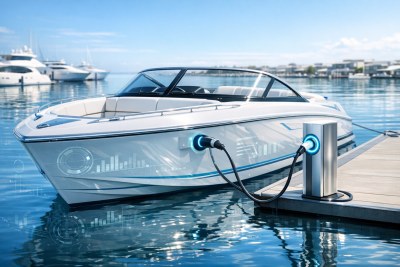
Electric and hybrid marine technology is continuing to move from specialist trade discussion into the practical buying conversation for Australian boaters.
Recent marine industry coverage has pointed to growing attention on cleaner propulsion, quieter operation and smarter onboard systems, not only in commercial vessels but also across the recreational boating market.
For households thinking about their next boat, the key question is less about whether the technology is exciting and more about whether the full ownership equation makes sense.

The appeal is easy to understand. Electric propulsion can reduce fuel use, lower noise on the water and simplify some aspects of maintenance. For day boats, tenders, marina-based cruising and short-range recreational use, these benefits may become increasingly attractive as charging infrastructure, battery performance and dealer knowledge improve. Buyers who mostly travel predictable distances could find that electric or hybrid options suit their lifestyle better than they expected.

However, the finance conversation needs to be grounded in numbers. Newer technology can carry a higher upfront purchase price, and that may affect the deposit required, the amount borrowed and the loan term a buyer chooses. A boat that looks cheaper to run each weekend may still produce higher monthly commitments if the financed amount is larger. Before signing a contract, buyers should estimate repayments under several scenarios, including different rates, loan terms and deposits.

There are also ownership costs beyond the motor itself. Insurance, storage, servicing, software updates, batteries, charging equipment and resale expectations should all be considered. Some costs may reduce over time as technology matures, but early adopters should avoid assuming that lower fuel use automatically offsets every other expense. As with any boat purchase, the best approach is to compare the full cost of ownership rather than focusing only on the showroom price or the promise of lower running costs.

For lenders, newer marine technology may also require clearer documentation around the vessel, battery system, valuation and intended use. Buyers considering innovative models should be prepared with detailed specifications, dealer information and a realistic budget. Comparing finance options early can help clarify whether a secured boat loan, unsecured loan or alternative structure is likely to suit the purchase.

The broader message is positive: more propulsion choice gives Australian boaters more ways to match a vessel to their lifestyle. But choice also adds complexity. Electric boating may make the time on water quieter and cleaner, yet the smartest buyers will still begin with affordability, loan structure and long-term ownership planning.

Published:Wednesday, 9th Sep 2026
Author: Paige Estritori

Please Note: We do not endorse any specific products or companies. Some content is sourced from third parties, including press releases, and may not be independently verified for accuracy or completeness.

Share this news item:

Rate this article

0 Comments

No comments yet. Be the first to share your thoughts.

Finance News

Electric Boating Shift Gives Buyers More to Budget For
09 Sep 2026: Paige Estritori
Electric and hybrid marine technology is continuing to move from specialist trade discussion into the practical buying conversation for Australian boaters. Recent marine industry coverage has pointed to growing attention on cleaner propulsion, quieter operation and smarter onboard systems, not only in commercial vessels but also across the recreational boating market. For households thinking about their next boat, the key question is less about whether the technology is exciting and more about whether the full ownership equation makes sense. - read more
Why Home Insurance Is Now a Bigger First-Home Budget Item
09 Sep 2026: Paige Estritori
Recent property and finance reporting suggests home insurance is becoming a more important affordability test for first home buyers, not just a post-settlement detail. Premiums remain under pressure from severe weather risk, higher rebuilding costs and insurer pricing changes, and that can flow directly into the budget a lender expects you to manage. - read more
Changing EV Loan Rates Give Buyers a Fresh Reason to Recheck the Numbers
09 Sep 2026: Paige Estritori
Recent car loan market updates suggest competition in electric vehicle finance is still active, with some lenders using green loan offers and sharper advertised rates to attract borrowers. For Australian EV buyers, that is encouraging, but it also makes the comparison process more important rather than less. A lower headline rate can reduce borrowing costs, yet it is only one part of the overall loan decision. - read more
Why Fresh Lending Data Keeps Refinancing on the Agenda
09 Sep 2026: Paige Estritori
Fresh lending indicators suggest Australian borrowers are still engaging with the mortgage market, even as higher repayments continue to shape household decisions. New housing finance activity has shown signs of resilience, with owner-occupiers, investors and refinancers all weighing up whether current loan settings still make sense in a market where lender pricing remains uneven. - read more


Car Loans Articles

How Personal Car Loans Work in Australia
Personal car loans can help Australians finance a new or used vehicle, but the right structure depends on the borrower, the car, the lender and the total cost of borrowing. This guide explains secured and unsecured car loans, repayments, deposits, loan terms, fees, eligibility and key questions to ask before applying. - read more
Business Car Loans and Vehicle Finance Tax Considerations in Australia
Business vehicle finance can affect cash flow, GST, deductions, depreciation, private use records and fringe benefits tax. This guide explains the general tax concepts Australian small business owners and sole traders should understand before choosing a business car loan or vehicle finance structure. - read more
How the Car Loan Application Process Works in Australia
Applying for a car loan in Australia usually involves checking affordability, preparing documents, submitting an application, lender assessment, conditional approval, vehicle checks, contract signing and settlement. This guide explains the typical steps and what can affect the outcome. - read more
Car Loan Interest, Fees and Repayment Costs Explained
The total cost of a car loan is shaped by more than the advertised interest rate. Learn how rates, fees, loan terms, deposits, balloon payments and repayment frequency can affect what you pay over time. - read more


Free Assessment

Loan Amount:
Postcode:

All quotes are provided obligation-free by a participating broker from our national referral partner network. We respect your Privacy.


Knowledgebase
Compound Interest:
Interest calculated on the initial principal, which also includes all accumulated interest from previous periods.